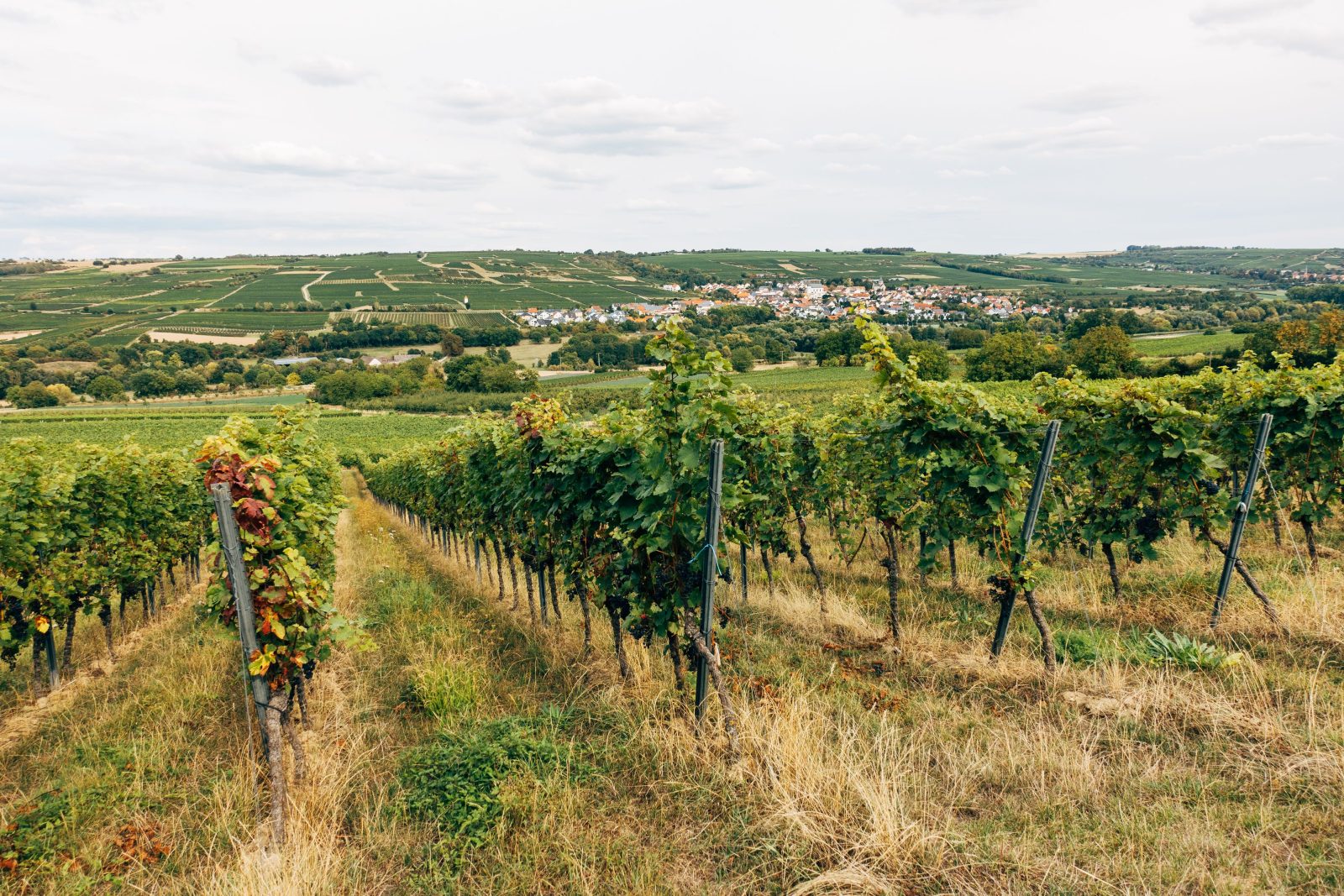
Austria's statutory vineyard classification must be fundamentally restructured. The Constitutional Court (VfGH) has annulled provisions of the wine designation regulation issued by the Agriculture Minister. These ruled how Rieden should be classified by the National Wine Committee, for example as 'Erste Lage' or 'Große Lage'. According to the VfGH, the transfer of sovereign powers to the committee is not covered by the Wine Act 2009.
What happened
Under the previous rules, the terms 'Erste Lage' and 'Große Lage' could only be used for DAC wines. A prerequisite was that the National Wine Committee had classified the Ried and the minister had set it out by regulation. If the committee rejected a classification, the minister had no influence over this decision.
The procedure stemmed from an application by several wine-growing operations. In summer 2026, the VfGH initiated a constitutional review and already expressed concerns at that time. The committee, a sector association with its own legal personality, appeared to be taking on tasks of state administration.
What happens next
The annulled provision becomes void the day after the decision is published in the Federal Law Gazette. According to the Agriculture Ministry, there has not been a single classification based on this paragraph to date. A Wine Act amendment is to create a new legal foundation. Classification would then rest solely with producer associations and their product specifications. The amendment is to enter the coordination process 'shortly'. Minister Norbert Totschnig (ÖVP) is already working on a new Wine Act.
What are vineyard sites?
In Austria, an individual, demarcated vineyard site is called a Ried. The origin designation ranges from the wine region through the municipality (village wine) to the individual vineyard site. More than 4,300 Rieden are legally defined, along with 27 wine regions and 458 wine municipalities. In DAC areas, vineyard site wine typically sits at the top of the origin pyramid. This is structured into regional wine, village wine and vineyard site wine.
What vineyard site grades exist?
- Ried (vineyard site wine): Wine from an individual site that is precisely registered in the land register. Requirements are usually stricter than for regional and village wines.
- Erste Lage: A statutory grade created in 2023 for particularly fine vineyard sites. The designation may only be used for DAC wines and only together with the vineyard site name. A classified Ried may be no more than 35 hectares in size.
- Große Lage: The highest grade. According to the regulation text, the Ried must be classified as 'Erste Lage' for at least five years to qualify.
There are also voluntary systems. The Austrian Traditional Wine Estates (ÖTW) award 'Erste Lage' status following Burgundian traditions. These are modelled on the German VDP system. The start came with the 2009 vintage. For 2025, one wine merchant portal lists 90 member estates and 120 Erste Lagen. In Styria, the Eruption vintners introduced a private law classification in 2021. LACON GmbH graded the Rieden as 'Erste Lage' and 'Große Lage' in this system.
It remains unclear how the new legal situation will affect these systems. The draft of the Wine Act amendment will be decisive.
Sources: orf.at, www.oe24.at, orf.at, www.vinaria.at, www.ris.bka.gv.at, www.oesterreichwein.at, www.tesdorpf.de, www.krispel.at